A manufacturing-side guide for brands, buyers and retailers turning an idea into clear, verifiable product requirements.
Developing for another market does not always mean starting again. A proven structure can remain while dimensions, color, details and packing are adjusted around the channel and customer expectation.
Channels change how value is communicated
E-commerce depends on hero images, dimension graphics and concise selling points, so the product must be understood quickly on screen. Physical retail adds touch, unfolding, shelf dimensions and front-of-pack communication.
Living spaces affect the size range
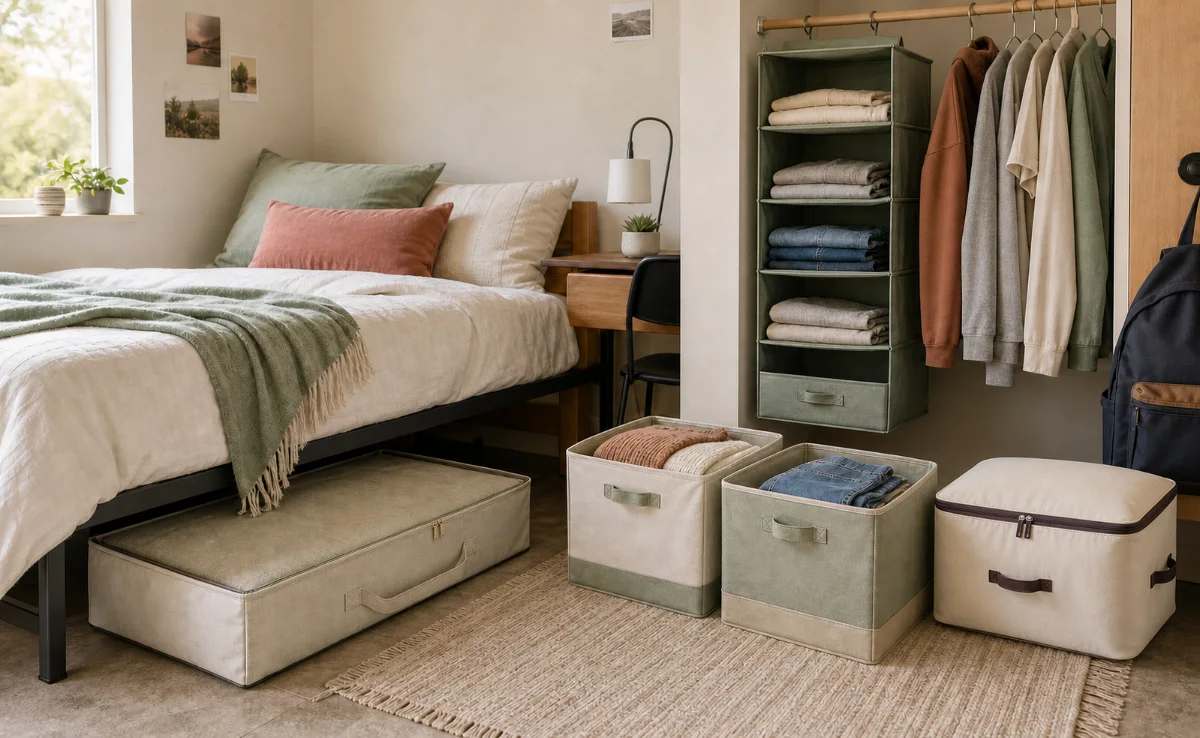
Wardrobes, drawers, doors and under-bed spaces vary between homes. Confirm common placement in the target market instead of automatically reusing dimensions from another channel or country.
Color and detail should support positioning
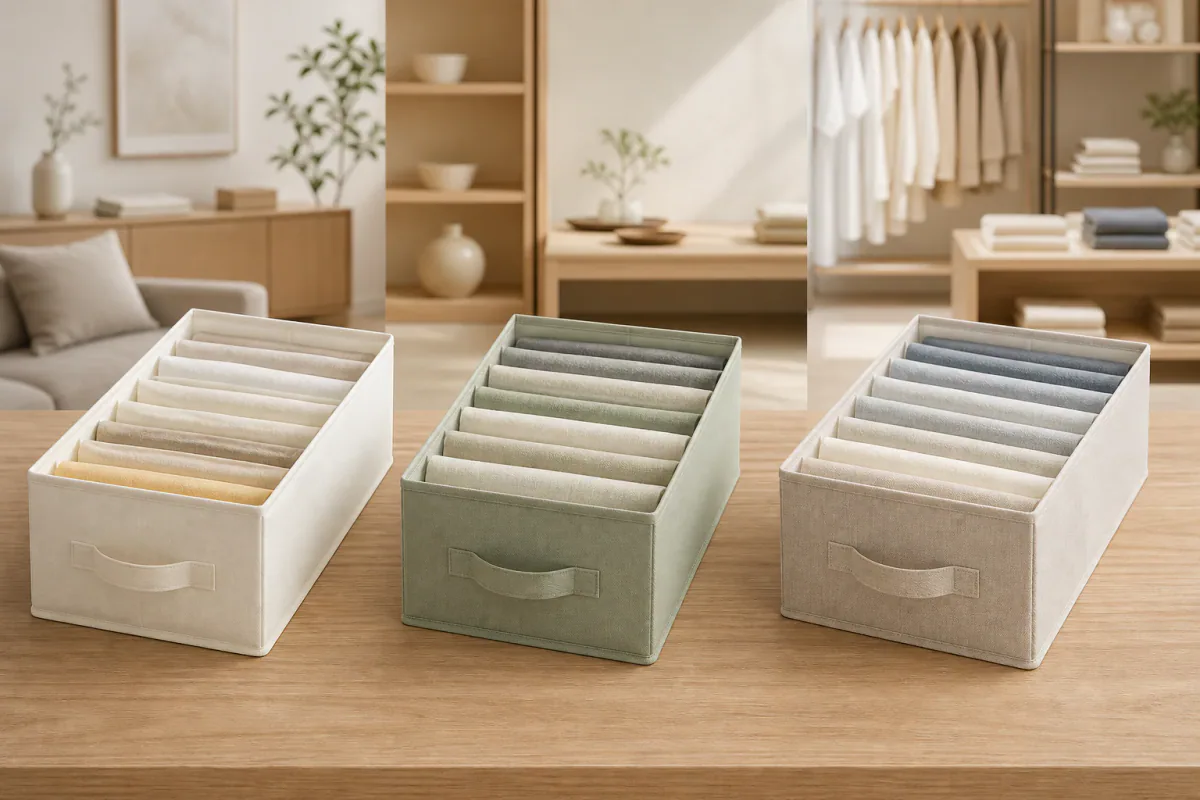
Neutrals adapt easily, but acceptance of seasonal colors, texture, transparency and decoration varies. Color selection must also consider actual material lots and photography.
Packing needs localization
Language, warnings, material descriptions, barcodes, recycling marks and retail labels should match destination requirements. Dimension notation and use illustrations must be understandable locally.
Validate a focused range first
Test a small number of colors or sizes with samples and channel feedback before expanding. This protects production stability and limits inventory exposure from launching too many variants at once.
Final development should follow brand positioning, sales evidence and destination compliance rather than treating market preferences as fixed rules.